
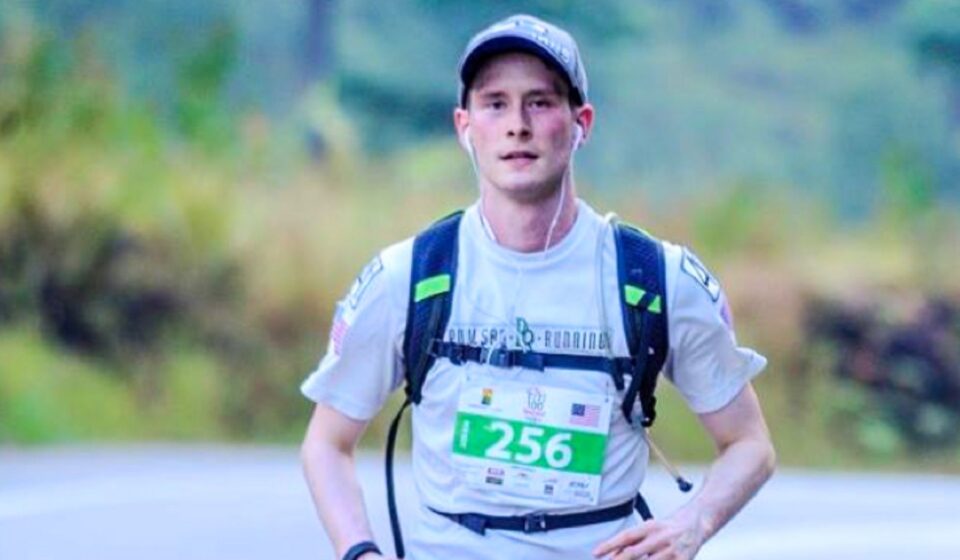
The congressman who jogged the Mississippi: Washington representative runs 2,300 miles from source to sea and finds a country divided along the banks

Representative Greg Nance of Washington completed a 2,300-mile run along the Mississippi River from its headwaters in Minnesota to the Gulf of Mexico in Louisiana. The journey, finished in late October 2025, offered him direct contact with communities across ten states. Nance, a Democrat from Kitsap County, undertook the effort to highlight youth mental health while observing the nation’s social landscape at ground level.
The Runner’s Background
Greg Nance has built a record of long-distance efforts before entering politics. Previous runs included a crossing of the United States from east to west. His experiences in ultramarathons prepared him for the physical demands of following the river’s course.
Nance represents communities west of Seattle in the state legislature. Family ties to public service shaped his approach to the project. Summers spent near Natchez, Mississippi, gave him early familiarity with the river.
Planning and Early Miles
Nance mapped his route along the Great River Road. He began at Lake Itasca on August 20 and aimed to average significant daily distances. The first week passed with steady progress near 40 miles per day.
Uneven road surfaces soon caused problems. Tendinitis in his ankle slowed him dramatically near Minneapolis. Recovery required days of limited movement before he could resume a sustainable pace.
Physical and Logistical Tests
Traffic presented constant risks throughout the journey. Nance navigated narrow bridges and roads without shoulders in several states. He encountered wildlife and rural hazards while maintaining forward motion.
Injuries forced adjustments to his schedule. Slower days allowed healing and deeper engagement with surroundings. The full route took 72 days to finish despite these setbacks.
Conversations by the River
Residents shared personal accounts when Nance explained his purpose. Discussions often turned to pressures of daily work and losses from violence or substance use. People opened up about mental health struggles in their own lives.
These exchanges crossed expected political lines. Nance noted common concerns among individuals with differing voting records and media habits. Interactions in small towns revealed shared priorities beneath surface differences.
Insights from the Journey
The run exposed both unity and separation in riverside communities. Nance visited sites like a World War II internment memorial in Arkansas and family connections in Mississippi. News of his wife’s pregnancy arrived near the end.
He returned with observations about national discourse. Direct talks suggested more agreement exists than media portrayals indicate. The experience reinforced his focus on youth mental health initiatives through his foundation.