
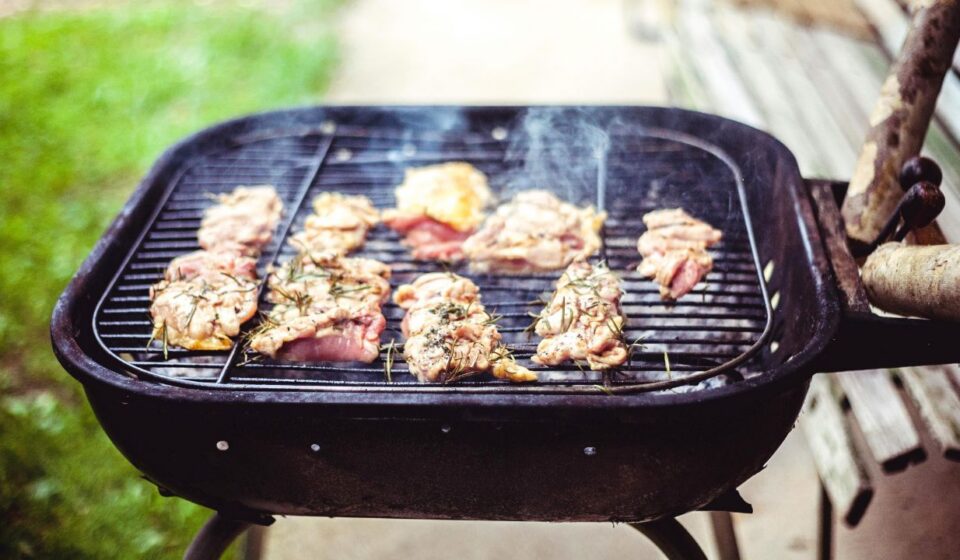
Your barbecue may be poisoning you: scientists identify cancer-causing chemicals forming in everyday foods during grilling, roasting, and frying

Scientists have identified several compounds that can form in common foods when exposed to high heat during grilling, roasting, and frying. These substances, generated through chemical reactions in meats and starchy items, have raised concerns among researchers studying dietary factors in cancer development. While occasional consumption may carry limited risk, frequent intake of heavily cooked items has prompted closer examination of everyday cooking practices.
Formation of Harmful Compounds in High-Heat Cooking
Heterocyclic amines arise when amino acids and creatine in muscle meats react under intense temperatures, typically above 300 degrees Fahrenheit. This process occurs readily during grilling or pan-frying, with longer cooking times and higher heat levels increasing the concentration.
Polycyclic aromatic hydrocarbons develop when fats and juices drip onto flames or hot surfaces, producing smoke that deposits these compounds onto the food. Roasting and frying can contribute through similar high-temperature reactions in various foods.
Acrylamide in Starchy Foods
Acrylamide forms in plant-based foods rich in carbohydrates, such as potatoes and grains, when cooked at temperatures exceeding 120 degrees Celsius. The Maillard reaction between sugars and the amino acid asparagine drives its creation during frying, roasting, or baking.
Foods like french fries, chips, and toasted bread often contain notable levels. Researchers continue to monitor its presence across processed and home-cooked items.
Links to Cancer Risk
Laboratory studies have shown that these compounds can damage DNA and promote mutations in cells. Animal research links high exposure to increased incidence of certain tumors, including those in the colon, breast, and prostate.
Human epidemiological data suggest associations between frequent consumption of well-done grilled or fried meats and elevated risks for some cancers. Scientists emphasize that overall dietary patterns and lifestyle factors play significant roles alongside these exposures.
Evidence from Research Studies
Investigators at institutions including the National Cancer Institute have analyzed cooking methods and their byproducts. High consumption of barbecued or pan-fried meats correlated with higher risks in some population studies, though results vary by individual habits and genetics.
Ongoing work examines dose-response relationships and mitigation strategies. While direct causation in humans requires further confirmation, the biochemical evidence supports caution with prolonged high-heat techniques.
Practical Steps to Reduce Exposure
Precooking meats in a microwave or oven shortens the time needed on the grill, limiting compound formation. Frequent flipping during cooking and removal of charred portions also help.
Marinades containing acids or herbs can inhibit reactions, while choosing leaner cuts reduces drippings and smoke. Lower-temperature methods like steaming or poaching avoid these issues altogether in many preparations.