
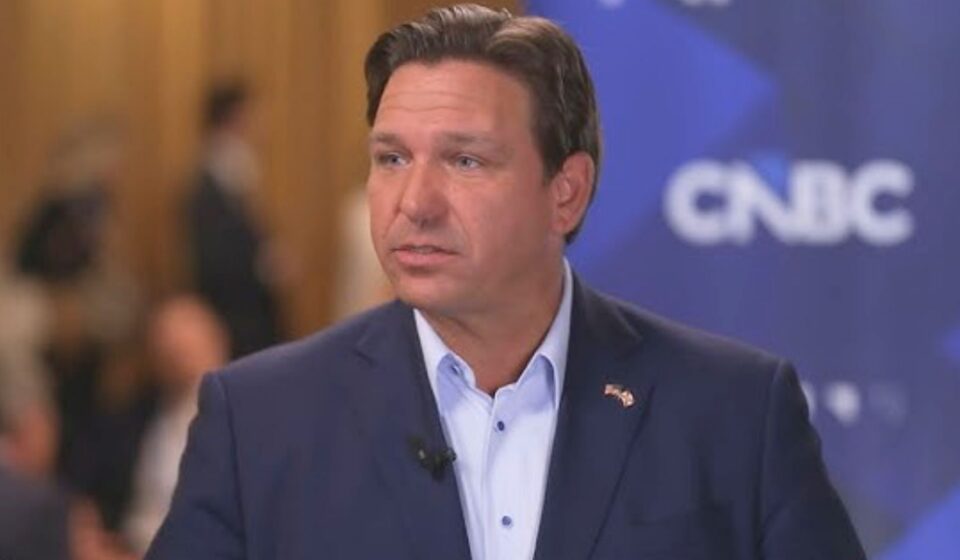

Governor Ron DeSantis has proposed a sweeping change to Florida’s tax system by advancing a constitutional amendment that would significantly raise homestead exemptions and set a path toward eliminating property taxes on primary residences. The initiative, announced in late May 2026, aims to address rising costs for homeowners amid increasing property values and local government revenues.
Background of the Proposal
DeSantis called a special legislative session in early June 2026 to consider the measure. Lawmakers approved the amendment during that session, sending it to voters for the November ballot. The plan responds to concerns over property tax bills that have grown substantially in recent years.
Officials noted that local property tax collections have nearly doubled over the past seven years. Projections indicate continued increases without intervention, prompting state leaders to seek structural relief for residents.
Details of the Exemption Increases
The amendment would raise the homestead exemption from its current level of $50,000 to $150,000 in 2027. It would then increase further to $250,000 in 2028, with adjustments for inflation in following years. These changes target non-school portions of property taxes for homesteaded properties.
Such exemptions would immediately remove tax obligations for a large share of homeowners. Estimates suggest around 60 percent of primary residences could see their non-school property taxes eliminated under the higher thresholds.
Path to Full Elimination
The proposal directs the legislature to develop a schedule for complete phase-out of homestead property taxes through additional laws. This step builds on the initial exemption increases to achieve broader relief over time. School funding remains protected under the framework.
DeSantis has emphasized the need for this reform to provide lasting benefits to Florida families. Supporters view the measure as a way to reduce the financial burden on those who own and occupy their homes.
Potential Impacts on Local Governments
Counties and cities stand to lose significant revenue if the plan advances. Officials have raised questions about how essential services such as roads, public safety, and libraries would be maintained without traditional property tax income.
The governor has indicated that local entities can adjust their operations and explore alternative funding approaches. The amendment requires voter approval by 60 percent in November for implementation to proceed.
Reactions and Next Steps
Lawmakers in the special session supported the amendment with strong majorities in both chambers. The measure now awaits decision by Florida voters later this year. Discussions continue regarding its broader effects on state and local fiscal policy.
DeSantis positioned the effort as a response to homeowner needs across the state. The outcome of the ballot measure will determine whether the phased approach moves forward as planned.