
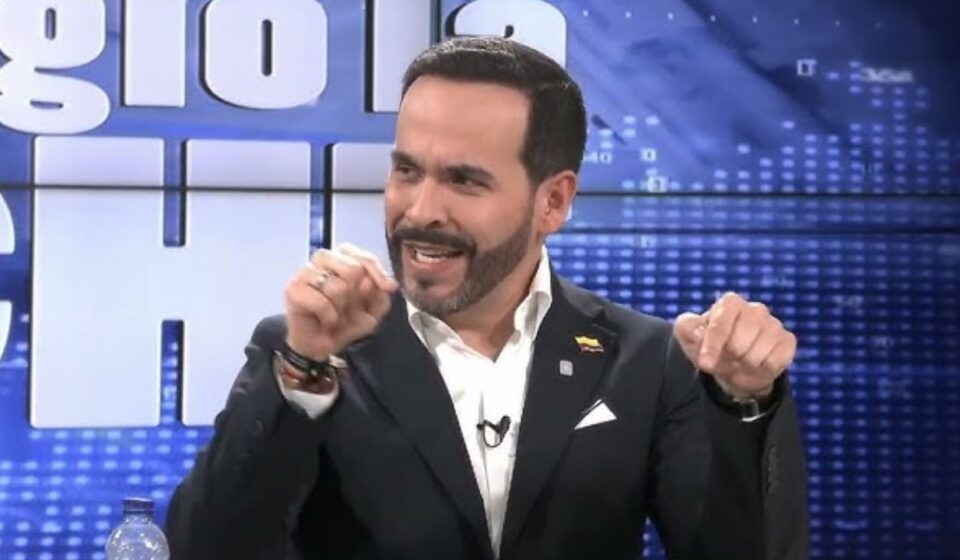

In Colombia’s presidential election on May 31, voters sent a clear signal of discontent with the current direction by propelling Abelardo de la Espriella, a far-right lawyer and political newcomer, to first place in the initial round. De la Espriella, who styles himself after strongman figures known for aggressive anticrime measures, will now compete against left-wing Senator Iván Cepeda in a runoff scheduled for June 21. The outcome carries weight for the country’s security policies and its longstanding partnership with the United States.
A Campaign Defined by Security Concerns
De la Espriella positioned himself as an outsider ready to confront rising violence and organized crime with forceful measures. The 47-year-old criminal defense lawyer, who has never held elected office, drew attention for his dramatic rallies where he appeared behind bulletproof glass.
His message resonated with voters frustrated by persistent challenges from armed groups and drug trafficking. Campaign events featured energetic displays that underscored his commitment to restoring order through expanded security operations.
Profile of the Leading Candidate
Known as “El Tigre,” de la Espriella built a career representing high-profile clients before entering politics. He holds dual U.S. and Italian citizenship and has expressed admiration for approaches taken by leaders focused on cracking down on criminal networks.
Supporters see in him a fresh alternative to established parties. His platform includes proposals for military action against trafficking targets and stricter penal policies, reflecting widespread desire for tangible improvements in public safety.
The Left-Wing Challenger
Iván Cepeda, a veteran senator aligned with outgoing President Gustavo Petro, secured second place and advances to the runoff. He advocates continuing elements of the current administration’s policies, including efforts to address social roots of conflict.
Cepeda’s campaign emphasized continuity and progressive reforms. His performance, though strong, fell short of expectations set by earlier polling, highlighting divisions within the electorate over the pace of change.
Implications for Bilateral Ties
The runoff pits sharply contrasting visions against each other at a time when relations between Bogotá and Washington have faced strains. A victory for de la Espriella could open the door to closer cooperation on counternarcotics and regional security matters.
Observers note that the contest may influence broader dynamics across Latin America. Colombia remains a key partner for the United States, and the next leader’s stance on drug policy and alliances will shape engagement in the hemisphere for years ahead.
Voter Priorities in a Polarized Landscape
Many Colombians weighed concerns about violence and economic pressures when casting ballots. The strong showing by de la Espriella revealed limits to support for the incumbent coalition’s record after four years in power.
Turnout reached notable levels despite the polarized atmosphere. As the June 21 vote approaches, both sides will seek to consolidate backing from those whose preferred candidates did not advance, determining the path forward for the nation.