
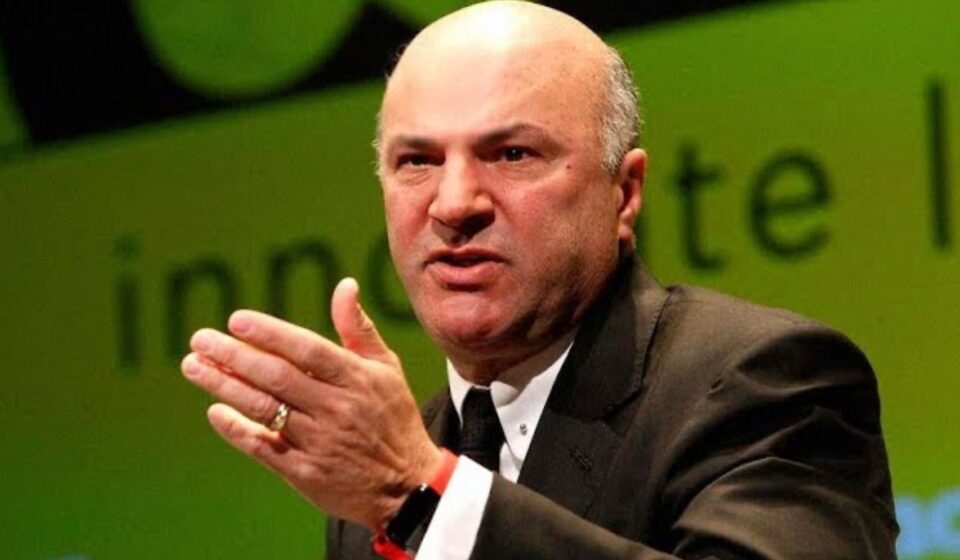
Kevin O’Leary says Gen Z’s $28 lunches are the real reason they remain poor on $70,000 salaries

Entrepreneur and television personality Kevin O’Leary has drawn attention with his recent remarks on the spending patterns of younger workers. In a podcast interview, he highlighted how individuals earning around $70,000 annually who pay $28 for daily lunches may hinder their long-term financial progress. O’Leary pointed to the potential growth from redirecting such expenses into investments.
O’Leary’s Observation on Daily Habits
Kevin O’Leary expressed frustration over seeing young professionals allocate significant amounts to midday meals. He argued that repeated small expenditures add up in ways that limit savings opportunities.
The investor encouraged consideration of compound returns. He noted that consistent investment of equivalent sums could accumulate substantially over decades.
Context of the Comments
O’Leary shared his views during an appearance on the podcast hosted by Steven Bartlett. The discussion centered on financial decisions facing members of Generation Z entering the workforce.
His statements reflect a broader emphasis on disciplined money management. O’Leary has long advocated for prioritizing future security through informed choices in everyday spending.
Reactions from Online Audiences
Public responses to O’Leary’s perspective have varied widely across social platforms. Some users agreed that controlling routine costs supports greater financial independence over time.
Others countered that high lunch prices reflect current economic pressures, including elevated costs for food and services in many cities. Critics suggested the advice overlooks broader challenges like housing affordability and wage growth.
The Role of Small Choices in Finance
Financial analysts often stress the impact of incremental decisions on overall wealth accumulation. Regular tracking of expenses can reveal areas where adjustments yield meaningful results.
O’Leary’s example underscores a principle of redirecting funds toward assets that generate returns. This approach aligns with strategies many successful investors have followed across different generations.
Broader Implications for Young Workers
Discussions around O’Leary’s comments have prompted reflection on personal finance education. Many in Gen Z navigate competitive job markets while facing rising living expenses.
Observers note that combining mindful spending with strategic saving may help address these realities. The conversation continues as both sides examine effective paths to economic stability.